Durability and Lifespan: Investing in Longevity
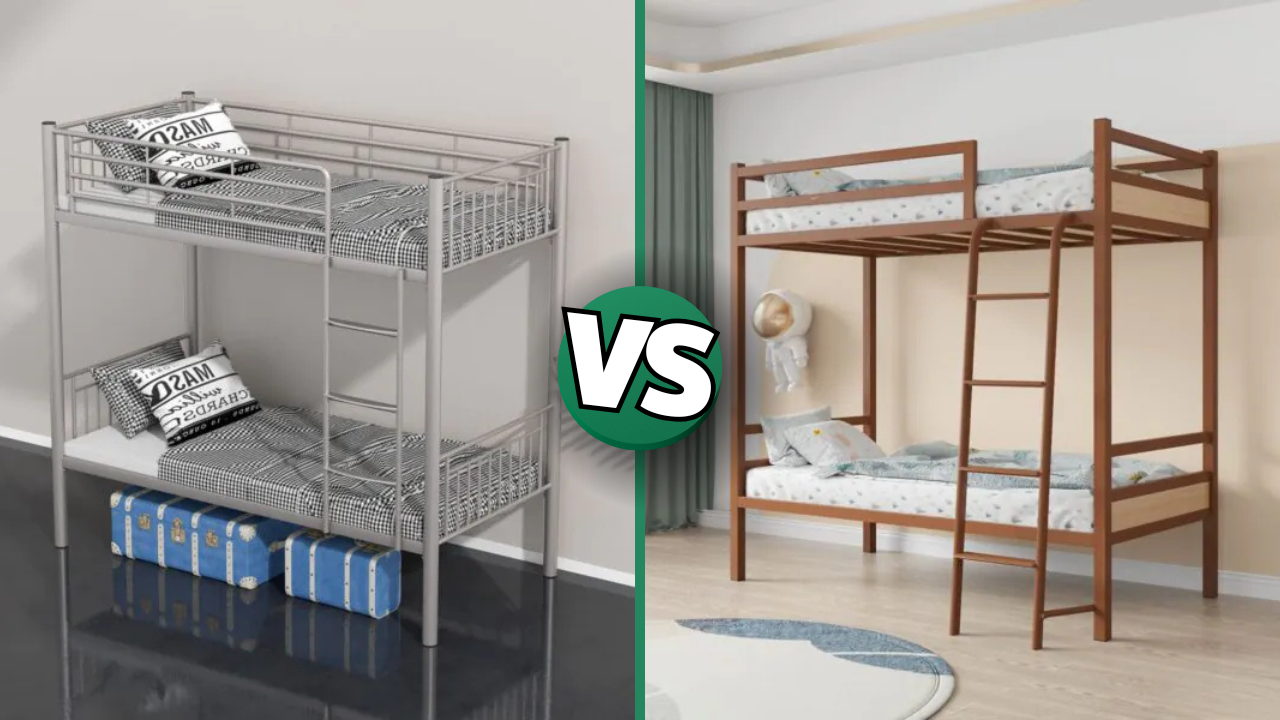
When evaluating metal and wood bunk beds, durability is a primary consideration. Student furniture faces intense wear and tear, and both materials offer robust solutions when sourced correctly.
The Resilience of Metal
Metal bunk beds, especially those made from heavy-duty tubular steel, are engineered for high-performance resilience.
- High Weight Capacity: Commercial-grade models are designed to support significant weight, often exceeding 400 to 500 pounds per platform.
- Environmental Stability: Steel maintains its structural integrity regardless of humidity or temperature changes.
- Long-Term Reliability: The rigid nature of welded steel ensures frames remain squeak-free and stable over decades.
High-quality metal beds also feature industrial finishes that resist chipping and corrosion, protecting the structure even in challenging climates.
The Strength of Quality Wood
Wood offers a substantial, grounded durability that many institutions value.
- Material Selection: For optimal longevity, prioritizing dense materials like solid hardwood (rubberwood, oak, or maple) is recommended.
- Robust Construction: High-quality wooden beds utilize strong joinery techniques designed to withstand years of active use.
- Structural Integrity: Selecting dense timber or high-grade composites ensures the furniture maintains its stability and premium feel over time.
Hygiene and Maintenance: Distinct Approaches
Hygiene is a top priority for any accommodation provider. Both metal and wood bunk beds can meet high standards, though they are maintained differently.
Metal: Ease of Sanitation
Metal is often favored in high-turnover environments for its inherent surface properties.
- Non-Porous Surfaces: Metal is naturally resistant to absorption, making it easy to wipe down and sanitize.
- Seamless Design: Many metal beds feature full perimeter welding, which seals off joints and minimizes crevices.
- Pest Deterrence: The sleek, sealed structure leaves little room for pests to harbor, supporting effective pest control protocols.
Wood: Managed Hygiene
Wooden furniture can also maintain excellent hygiene standards with the right care.
- Advanced Sealing: Modern manufacturing applies advanced sealants and lacquers to wood, creating a protective barrier that reduces porosity.
- Routine Care: Regular inspections ensure joints remain tight, maintaining the furniture’s integrity.
- Effective Cleaning: With proper sealing, wooden surfaces can be effectively cleaned, contributing to a healthy living environment.
Aesthetics and Student Experience: Creating the Right Atmosphere
The visual appeal of a dormitory affects student satisfaction. Metal and wood bunk beds each bring a unique “vibe” to a room.
The Timeless Appeal of Wood
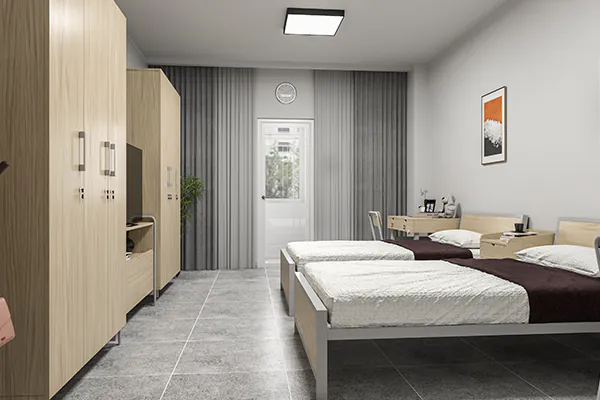
- Atmosphere: Wood is excellent for creating a warm, “home away from home” feeling.
- Style: Natural grain patterns and softer tones add a touch of traditional comfort.
- Best Application: Ideal for boutique hostels, faculty housing, or premium apartments aiming for a cozy, residential aesthetic.
The Sleek Versatility of Metal
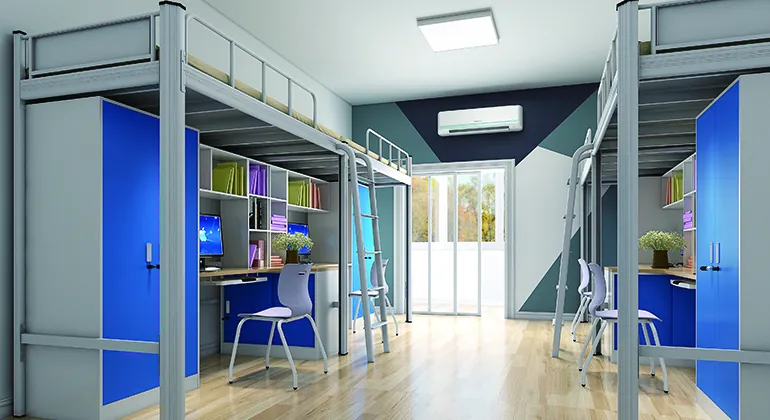
- Modern Design: Metal furniture embraces sleek, contemporary lines that fit well with industrial or modern architectural styles.
- Customization: Powder-coating technology allows for a vast array of colors to match school themes or branding.
- Visual Space: The slimmer profile of metal tubing takes up less visual space, helping smaller rooms feel larger and more open.
Value and Investment: Understanding ROI
Budgeting involves looking at the value proposition of your furniture choice.
Metal: Efficiency and Economy
Metal bunk beds are often recognized for their cost-effectiveness.
- Entry Value: Manufacturing efficiencies often allow for a competitive entry price point.
- Operational ROI: The high resistance to surface damage can lead to lower maintenance costs over the product’s lifespan.
Wood: Premium Value
Solid hardwood is an investment in aesthetics and atmosphere.
- Premium Positioning: While the initial investment may be higher, wood offers a premium look and feel.
- Asset Value: The aesthetic appeal of wood can enhance the perceived value of the accommodation, potentially justifying higher room rates in premium sectors.
When considering metal vs. wood bunk beds, the choice depends on whether your project prioritizes immediate operational efficiency or premium aesthetic value.
Safety and Installation: Key Features
Safety is non-negotiable in institutional furniture. Both materials offer specific safety benefits.
Metal: Fire Safety Advantages
- Non-Combustible: Steel minimizes the fuel load in a room, a key factor for fire safety compliance.
- Lightweight Strength: Metal frames are often lighter than solid wood, simplifying transport and installation logistics.
- Quick Assembly: Many modern metal systems feature bolt-free designs for rapid setup.
Wood: Grounded Stability
- Stability: The natural mass of heavy wooden frames provides a solid, tip-resistant foundation.
- Safety Standards: High-quality institutional wood furniture is finished with fire-retardant and low-VOC (Volatile Organic Compounds) coatings to ensure indoor air quality and safety compliance.
Summary: Choosing the Right Fit
Whether your project calls for metal or wood bunk beds, both options offer solid advantages for modern student housing environments.
- Consider Wood: When your goal is to create a warm, traditional aesthetic for a premium or boutique setting.
- Consider Metal: When your priority is maximizing durability, ease of sanitation, and operational efficiency for high-volume housing.
For institutions seeking a comprehensive partner, Topohut is your premier one-stop solution for dorm and hostel furniture. With over 30 years of experience serving 51,000+ clients, we offer a complete range—from heavy-duty metal and wood bunk beds to Murphy beds, desks, and storage. We provide free customizable designs and OEM services, ensuring a tailored, hassle-free experience for projects of any scale worldwide!