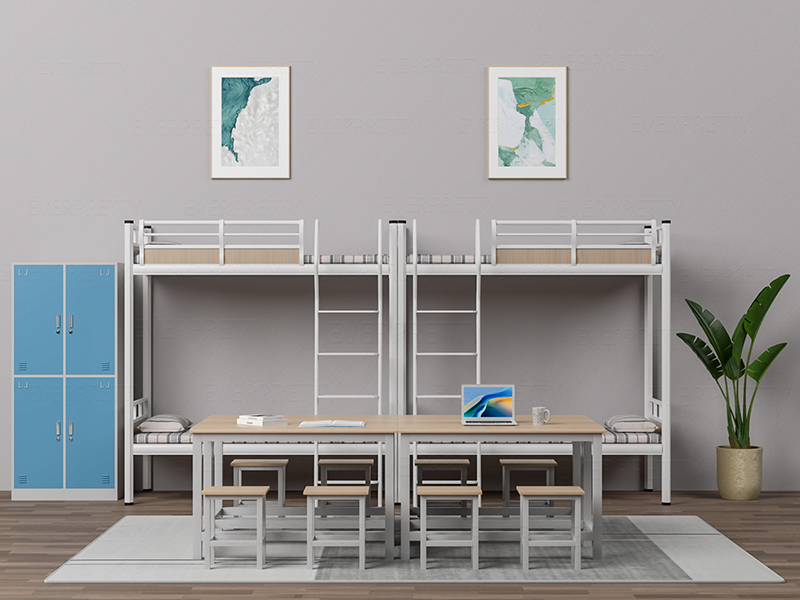

Shipping furniture from China to Africa is achievable, well-trodden, and cost-effective — but the logistics complexity is higher than shipping to Southeast Asia or the Gulf. Port congestion, complex customs environments, and significant variation between African countries make this a procurement area where preparation and experienced partners matter more than on any other major trade route.
This guide provides African buyers with a detailed, country-by-country breakdown of shipping routes, customs procedures, lead times, and the practical steps to manage a China-to-Africa furniture shipment successfully.
Table of Contents
ToggleUnderstanding the China-Africa Sea Freight Route
The standard sea freight route from South China (Guangdong province — where most furniture manufacturers including Topohut are located) to African ports follows one of two main paths:
- West Africa route: South China Sea → Strait of Malacca → Indian Ocean → around Cape of Good Hope → up the West African coast. Transit to Lagos: 28–35 days.
- East Africa route: South China Sea → Strait of Malacca → Indian Ocean → Gulf of Aden (via Suez Canal for direct services, or Cape route for some carriers) → East African ports. Transit to Mombasa: 22–28 days.
- Southern Africa route: South China Sea → Indian Ocean → Cape of Good Hope → Durban. Transit: 22–28 days.
Most major container shipping lines operate direct services from Guangdong to major African ports. Smaller or secondary African ports often require transshipment at a hub — Durban for Southern Africa, Mombasa for East Africa, or Tema/Abidjan for West Africa.
Port-by-Port Guide: What to Expect
Lagos, Nigeria (Apapa / Tin Can Island)
Lagos is the largest container port in West Africa by volume and the gateway to Nigeria’s 220 million population. It is also known for significant port congestion and one of the more complex customs clearance environments on the continent.
- Transit time from Guangdong: 28–35 days sea freight
- Customs clearance time: 7–21 days (highly variable — port congestion and customs processing speed vary significantly week to week)
- Key customs requirement: Form M (mandatory pre-shipment approval for imports above certain value thresholds) — must be obtained before goods are shipped. Your Nigeria clearing agent arranges this
- SON certification: Standards Organisation of Nigeria may require product conformity assessment for some furniture categories — confirm before shipping
- Container dwell charges: Nigeria ports charge significant container dwell fees after the free time period (typically 7 days). Port delays easily extend dwell to 21+ days, generating charges that can reach USD $1,000–$3,000 per container. This risk makes DDP delivery from an experienced China supplier especially valuable for Nigeria
- Clearing agent: essential — use an agent with specific Apapa/Tin Can Island experience and a track record with furniture imports
Tema Port, Ghana
Tema is Ghana’s main deep-water port, 25km east of Accra. It handles a high volume of Chinese imports and has improved significantly in customs processing efficiency in recent years.
- Transit time from Guangdong: 26–33 days
- Customs clearance time: 5–10 days (faster than Nigeria; Ghana Customs uses UNIPASS electronic system)
- Import duty: 20–35% on furniture — among the highest in Africa. Form E Certificate of Origin reduces duty if a CEPA agreement applies (currently limited between China and Ghana — check current status with clearing agent)
- Key documents: PVOC (Pre-Verification of Conformity) certificate required for many product categories — your clearing agent will advise
Mombasa Port, Kenya
Mombasa is East Africa’s largest and most important port, serving Kenya and the landlocked countries of Uganda, Rwanda, Burundi, South Sudan, and DRC via the Northern Corridor road network.
- Transit time from Guangdong: 22–28 days
- Customs clearance time: 3–7 days (one of the more efficient African ports)
- Import duty: EAC common external tariff — most furniture at 10–25%. Confirm HS code classification before ordering
- Kenya Bureau of Standards (KEBS): KEBS certification required for some product categories. Confirm requirements for furniture with your clearing agent
- Onward transit: Uganda, Rwanda, and other landlocked East African buyers route through Mombasa. Inland transport by road adds 2–5 days and USD $500–$2,000 depending on distance and destination
Durban, South Africa
Durban is Africa’s busiest container port by volume and serves as the gateway to South Africa, Botswana, Lesotho, Eswatini, and parts of Zimbabwe and Zambia.
- Transit time from Guangdong: 22–28 days
- Customs clearance time: 3–7 days (SARS customs is relatively efficient; delays occur due to port congestion at container terminal)
- Import duty: most furniture at 0–15% — lower than West Africa. South Africa has no FTA with China, but standard MFN rates for furniture are competitive
- SABS / NRCS: South African Bureau of Standards requirements for some furniture categories — particularly child-specific items (children’s beds, bunk beds). Confirm with clearing agent before shipping bunk beds
Complete Shipment Timeline: Planning Guide
| Phase | Duration | Notes |
| RFQ and supplier selection | 1–3 weeks | Allow time for 3 supplier quotes and sample review |
| Sample order and approval | 2–4 weeks | Samples from China: 7–14 days transit by air |
| Deposit payment and production start | 1–3 days | 30% deposit triggers production |
| Production (standard specification) | 30–45 days | Add 5–10 days for OEM custom products |
| Pre-shipment inspection | 1–2 days | Schedule 1 week before production completion |
| China export customs clearance | 2–5 days | |
| Sea freight to West Africa | 28–35 days | Nigeria, Ghana, Côte d’Ivoire |
| Sea freight to East/Southern Africa | 22–28 days | Kenya, Tanzania, South Africa |
| Destination customs clearance | 3–21 days | 3–7 days (SA, Kenya); 7–21 days (Nigeria) |
| Inland delivery to project site | 1–5 days | Depends on distance from port |
| TOTAL (West Africa) | 14–20 weeks | Budget 18 weeks as safe planning figure for Nigeria |
| TOTAL (East/Southern Africa) | 12–16 weeks | Budget 14 weeks for Kenya and South Africa |
The Case for DDP in Africa
DDP (Delivered Duty Paid) is the incoterm that places full responsibility for freight, insurance, customs clearance, duty payment, and last-mile delivery on the supplier. In most markets, FOB or CIF procurement is standard. For Africa — particularly West Africa — DDP has specific advantages that outweigh the higher unit price for most project buyers:
- Nigeria-specific: Form M compliance, SON certification, Apapa congestion management, and port dwell charge risk all require experienced local handling. A China supplier with established Nigeria DDP operations can manage these risks more effectively than a first-time importer
- Time savings: DDP removes the need for the buyer to manage freight forwarding relationships, clearing agent coordination, and insurance arrangements — typically saving 2–4 weeks of procurement management time on a complex African shipment
- Cost certainty: DDP converts variable landed cost (freight + duty + clearance + port charges) into a fixed delivered price — which makes project budgeting significantly more reliable
Topohut’s DDP service for Africa includes: sea freight from Guangdong, marine insurance, destination port customs clearance, duty payment, and last-mile delivery to project site addresses in Nigeria, Ghana, Kenya, South Africa, and Tanzania for qualifying order volumes.
| Plan Your China-to-Africa Furniture Shipment with Topohut Topohut dormitory furniture has managed over 25 years of furniture exports to African markets. Our logistics team knows the specific documentation requirements, clearing processes, and operational challenges of shipping to Nigeria, Ghana, Kenya, Tanzania, South Africa, and beyond. For current freight quotes, DDP pricing, and documentation requirements for your specific African destination: contact our project team. |
Frequently Asked Questions
What is Form M and why is it required for Nigeria?
Form M is a mandatory import document for all goods entering Nigeria above a specified value threshold (currently USD $5,000). It is a pre-shipment approval issued by a Nigerian commercial bank on behalf of the importer, confirming the import is compliant with Nigerian import regulations and foreign exchange rules. Form M must be obtained before goods are shipped from China — it cannot be obtained retrospectively. Your Nigeria-based clearing agent handles Form M application. Processing time: 5–15 business days.
How do I avoid port congestion delays at Lagos?
Port congestion at Apapa is structural and largely beyond the buyer’s control. Practical mitigation strategies: choose a shipping line with Tin Can Island terminal access (often less congested than Apapa main terminal); use an experienced clearing agent who monitors vessel arrival and pre-clears documentation before the ship berths; and build a 3-week congestion buffer into your project timeline. For buyers who cannot absorb delivery uncertainty, DDP delivery through a supplier with established Nigeria clearing operations transfers this risk.
Can furniture be delivered to landlocked African countries (Uganda, Rwanda, Ethiopia)?
Yes. Furniture for Uganda and Rwanda typically transits through Mombasa port in Kenya, then travels by road on the Northern Corridor. Ethiopia’s imports route through Djibouti port. Both are established commercial routes with regular trucking services. Add 3–7 days and USD $500–$2,500 for inland transport to the sea freight timeline. Topohut can arrange DDP delivery to Kampala, Kigali, and Addis Ababa for qualifying order sizes.