لنفترض أننا ندير مشروع سكني كبير أو نقوم بتجديد سكن جامعي. واحدة من أكثر الأسئلة شيوعًا التي نتلقاها في Topohut Furniture تدور حول آلية تسعير الحجم. عندما تكون مسؤولاً عن تأثيث العشرات أو حتى المئات من الغرف، فإن كل دولار يتم توفيره لكل وحدة يؤثر بشكل كبير على إجمالي نفقاتك. عادةً، فإن هياكل الجملة ليست موحدة؛ بل تعمل على نظام متدرج حيث تحدد كمية طلبك نسبة التخفيض. بالنسبة للمشترين المؤسسيين، غالبًا ما تبدأ هذه المدخرات في التفعيل بمجرد أن يتجاوز الطلب كمية معينة، وعادةً ما تبدأ حول 25 وحدة لخط منتج واحد.
تحديد الحد الأدنى من كمية الطلب للحصول على المدخرات
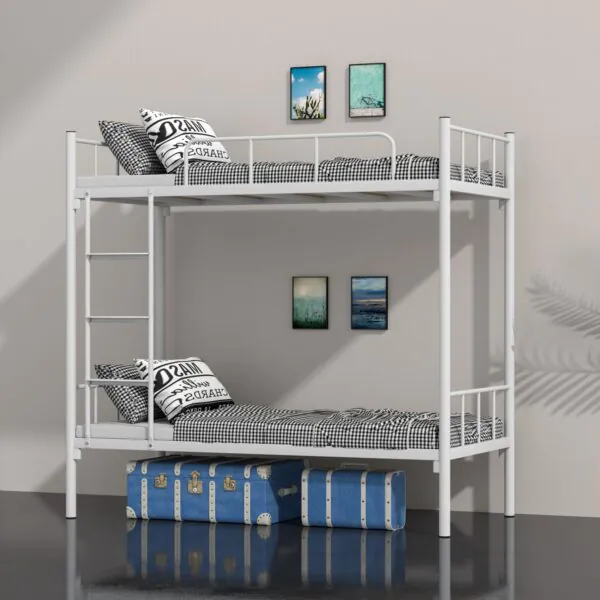
غالبًا ما نرى مديري المشاريع يفترضون أن طلب عشرة قطع يكفي لفتح خصومات كبيرة، لكن الواقع أكثر تعقيدًا. معظم الموردين التجاريين يعرفون الطلب “بالجملة” بأنه يبدأ من حوالي 20 إلى 50 وحدة. على سبيل المثال، قد تبدأ خصم البداية عند 30% من السعر التجزئة لـ 5 إلى 19 وحدة، بينما يتطلب خصم الحجم القياسي 35% عادةً ما لا يقل عن 20 قطعة. عندما تبحث عن أسرّة مزدوجة لغرف السكن، فإن الوصول إلى هذه المستويات أمر شائع جدًا، حيث إن تجديد قاعة سكن صغيرة غالبًا ما يتطلب حد أدنى من 25 إطارًا لاستيعاب 50 طالبًا. بصفتنا مزودًا مخصصًا لحلول أثاث السكن/الشقق، نركز في Topohut Furniture على مساعدة العملاء في الوصول إلى هذه العتبات من خلال تبسيط عملية الشراء الخاصة بهم.
هياكل التسعير المتدرجة للمشاريع الكبيرة
تم تصميم تسعير الحجم لمكافأة اقتصاديات الحجم. من تجربتنا، بمجرد أن يتجاوز الطلب علامة 100 وحدة، غالبًا ما يقفز الخصم إلى 40% أو أكثر، اعتمادًا على المواد ومتطلبات التخصيص. هذا مهم بشكل خاص لـ أسرّة الطابق لغرف النوم المصنوعة من المعدن الثقيل، حيث يتم تحسين لوجستيات الشحن عند ملء حاويات كاملة. بعد 200 وحدة، يقدم العديد من الموردين تسعير حاويات، مما يوفر أكبر المدخرات من خلال تقليل التعامل الفردي وتكاليف التخزين المحلية. نجد أن العملاء الذين يخططون لتصميماتهم مسبقًا يمكنهم التنبؤ بهذه الكميات بشكل أفضل، مما يضمن عدم تفويتهم مستوى خصم أعلى ببضع وحدات فقط.
اللوجستيات والعوامل الخفية في الطلبات الكبيرة
من المهم أن نتذكر أن سعر الوحدة ليس المتغير الوحيد في صفقة الجملة. يتطلب الشراء الناجح النظر في جداول الإنتاج وطرق الشحن. بالنسبة للطلبات بين 50 و200 وحدة، قد يستغرق الإنتاج من 20 إلى 30 يومًا، بينما قد تتطلب المشاريع المخصصة أو الأحجام الأكبر وقتًا مسبقًا يبلغ 40 يومًا. بالإضافة إلى ذلك، فإن السؤال عن الطلبات “المختلطة” بالجملة يمكن أن يكون مفيدًا؛ حيث يسمح لك بعض الموردين بدمج عناصر مختلفة، مثل المكاتب أو الخزائن، للوصول إلى إجمالي عدد الوحدات الذي يؤهل للحصول على شريحة خصم أعلى. في أثاث توبوهوت, ، نحن نستفيد من مزايانا الأساسية في اللوجستيات والتصنيع لدعم هذه الشحنات الكبيرة للوصول في الوقت المحدد وضمن الميزانية، مما يوفر تجربة سلسة من أرض المصنع إلى غرفة السكن.
يتطلب حساب قيمة الشراء بالجملة رؤية واضحة لاحتياجات مشروعك الإجمالية. عادةً ما تبدأ الخصومات عند 25 وحدة وتزداد كلما وصلت إلى أحجام مستوى الحاوية، مما يوفر تخفيفًا كبيرًا لميزانيات المؤسسات. من خلال التركيز على هذه الهياكل المتدرجة والتخطيط لأوقات الإنتاج، يمكننا زيادة كفاءة كل دورة شراء.