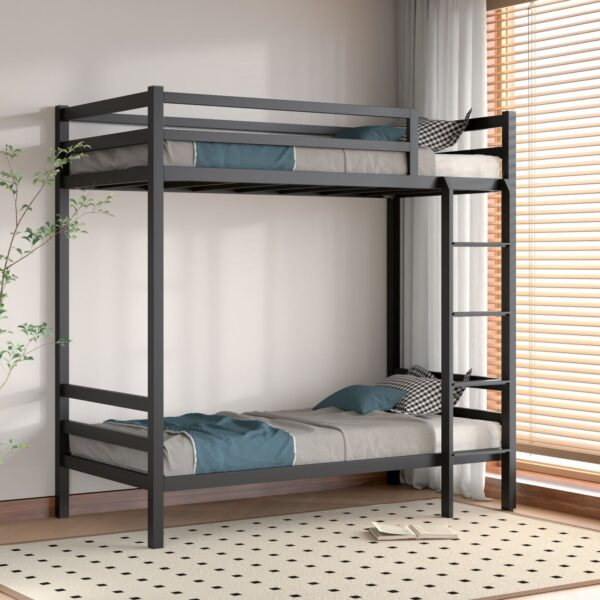
شحن الأثاث الكبير عبر المحيط يقدم مجموعة فريدة من التحديات، من الرطوبة العالية إلى الاهتزازات الفيزيائية لسفينة الحاويات. عندما نتحدث عن إعداد أسرّة الطابقين لغرف النوم الجامعية، الهدف هو التحقق من أن كل سكة معدنية ولوح خشبي يصلان بنفس الحالة التي غادرا بها المصنع. نظرًا لأن هذه العناصر مخصصة للإسكان الطلابي ذو الحركة العالية، حتى خدش صغير أو حاملة منحنية أثناء النقل يمكن أن يتسبب في تأخيرات في التجميع ومخاوف تتعلق بالسلامة بمجرد وصولها إلى الحرم الجامعي.
تفكيك وتنظيم المكونات
قبل أن يتم وضع القطعة الأولى في صندوق، يكون التفكيك الكامل إلزاميًا لتقليل الحجم ومنع تلف الهيكل. نوصي بتجميع الأجزاء المتطابقة معًا، مثل السكك الجانبية أو درجات السلم، وتغليفها في فيلم تمدد صناعي لمنع الاحتكاك. في Topohut Furniture، نعمل كمزود شامل لحلول الأثاث لغرف النوم والشقق، مما يعني أننا قمنا بتحسين عملية التعبئة لدينا لتشمل وضع علامات واضحة لكل مجموعة من الأجهزة. وضع جميع البراغي والمفاتيح في حقيبة معززة ومختومة مرتين وتثبيتها بإحكام على مكون الإطار الرئيسي يضمن عدم فقدان أي شيء خلال الرحلة الطويلة عبر البحر.
حماية من الرطوبة وتبطين داخلي
الهواء المالح والتكثف داخل حاويات الشحن هما الأعداء الخفيون لأسرّة الطابقين لغرف النوم الجامعية. لمواجهة ذلك، نستخدم رغوة EPE (البولي إيثيلين الموسع) لتغليف جميع الأسطح المطلية بالمسحوق، مما يوفر وسادة ضد الصدمات مع السماح للمادة بالتنفس قليلاً. يجب تعزيز كل زاوية بحماة كرتونية سميكة على شكل “L”، حيث أن الزوايا هي النقاط الأكثر احتمالاً لاختراق علبة الشحن. استخدام أكياس هلام السيليكا الممتصة للرطوبة داخل بطانة البلاستيك الرئيسية للصندوق هو خطوة عملية نتخذها للحفاظ على المكونات المعدنية من تطوير الأكسدة أو الصدأ السطحي أثناء وجودها في البحر.
تحميل الحاوية ومنطق التكديس
المرحلة النهائية لمنع التلف تحدث أثناء “حشو” الحاوية، حيث يكون توزيع الوزن هو المفتاح. يجب دائمًا وضع الإطارات الأساسية الثقيلة في أسفل الكومة لإنشاء مركز ثقل منخفض ومنع سحق العناصر الأخف. نقترح استخدام أكياس الدنّاج - وسائد هوائية قابلة للنفخ - لملء الفجوات بين صناديق الأثاث وجدران الحاوية، مما يمنع البضائع من التحرك أثناء الطقس العاصف. هذا المستوى من الاهتمام بالتفاصيل يضمن أن تظل السلامة الهيكلية لأنظمة الأسرّة الطابقية سليمة، بغض النظر عن عدد الأسابيع التي تقضيها السفينة في الماء. أسرّة الطابق لغرف النوم يعتمد الشحن الدولي الناجح على مزيج من المواد الثقيلة واستراتيجية تعبئة منضبطة. من خلال التركيز على التفكيك الكامل، والتحكم في الرطوبة، ووضع الحاويات بشكل ذكي، يمكنك القضاء تقريبًا على خطر العيوب المتعلقة بالنقل. في.
يعتمد الشحن الدولي الناجح على مزيج من المواد الثقيلة واستراتيجية التعبئة المنضبطة. من خلال التركيز على التفكيك الكامل، والتحكم في الرطوبة، ووضع الحاويات بشكل ذكي، يمكنك القضاء تقريبًا على خطر العيوب المتعلقة بالنقل. في أثاث توبوهوت, ، ميزة أساسية لدينا هي خبرتنا العميقة في إدارة لوجستيات التسليم العالمية لحلول أثاث الشقق. نحن نتعامل مع تعقيدات حماية الشحن البحري بحيث يبقى مشروع الإسكان الخاص بك على الجدول الزمني ويصل أثاثك جاهزًا لسنوات من الاستخدام المكثف من قبل السكان.