
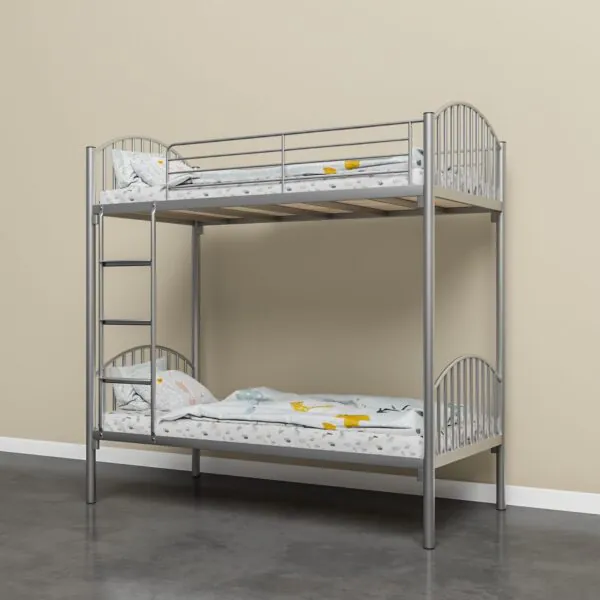
Maintaining safety in high-density housing starts with a rigorous annual check of every sleeping unit. We often see how heavy usage in student housing or seasonal worker apartments can loosen hardware or compromise the structural integrity of a frame over twelve months. By creating a structured maintenance routine, you verify that bunk beds for dorm rooms remain a safe and quiet place for occupants to rest. This proactive approach prevents small rattles from becoming major failures, protecting both your investment and the well-being of the people using the furniture.
Checking Joint Integrity and Hardware Tightness
Every inspection should begin with a hands-on physical stress test of the frame. We recommend grabbing the corner posts and giving the unit a firm shake to listen for any metal-on-metal squeaking or wooden groans, which usually indicate loose bolts. At Topohut Furniture, we operate as a one-stop dormitory and apartment furniture solution provider, and we have learned that the vibration from daily climbing can slowly back out even the most secure fasteners. Use a torque wrench to tighten all connection points, and pay close attention to the guardrail attachments, as these are critical safety barriers that must never wobble or feel flimsy under pressure.
Evaluating Ladder Safety and Guardrail Clearance
Ladders endure the most direct impact and friction, making them a high-priority item on your yearly service list. Look for worn treads, loose hooks, or signs of metal fatigue at the weld points to ensure the ascent to the top berth is secure. It is equally important to measure the distance between the top of the mattress and the top of the guardrail; if your facility has switched to thicker mattresses, the effective height of your bunk beds for dorm rooms safety rails might be compromised. We suggest documenting these measurements for each room to stay compliant with local housing safety codes and to identify which units might need lower-profile bedding.
Inspecting Support Slats and Frame Finishes
The hidden components of the bed, such as the wire mesh or wooden slats beneath the mattress, require a thorough visual scan for cracks or sagging. Damaged supports can lead to mattress failure and an uncomfortable night’s sleep, so replacing individual slats immediately is a cost-effective way to extend the life of the entire unit. While you are under the bed, check the powder coating or wood finish for deep scratches that could harbor pests or lead to rust in humid environments. Because we focus on providing durable bunk beds for dorm rooms, we emphasize that a quick touch-up of the finish during the annual service can prevent long-term corrosion and keep the room looking fresh for the next intake of residents.
Successful facility management relies on these small, consistent actions rather than waiting for a break-fix scenario. Taking the time to document each inspection creates a clear paper trail that demonstrates your commitment to resident safety. Topohut Furniture prides itself on supporting housing managers through high-quality manufacturing and expert advice on long-term maintenance. By spending a few hours on servicing each unit now, you avoid the high costs of emergency replacements and ensure your facility remains a reliable place to live. Consistently following these steps will keep your furniture in peak condition for many years.